Before You Fill That Prescription: A Practical Guide to Ivermectin Drug Interactions
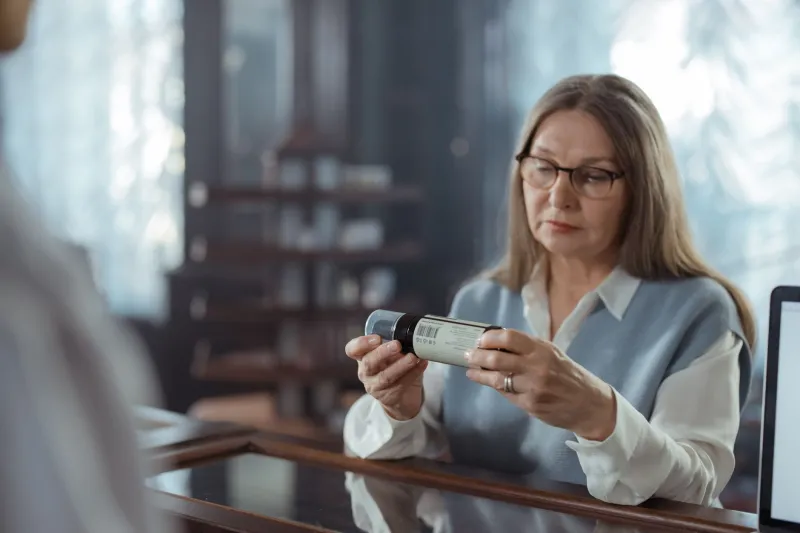
For most Americans, picking up a prescription feels routine — hand over the paperwork, wait a few minutes, and walk out with the medication. But when that medication is ivermectin, the routine step of reviewing your full medication list with a pharmacist becomes genuinely important. Ivermectin interacts with a meaningful number of commonly used drugs and dietary supplements, and some of those interactions carry real clinical consequences.
This guide is designed to help you arrive at the pharmacy counter — or your telehealth follow-up — prepared. Knowing which combinations warrant a conversation, and why, puts you in a far stronger position as a patient.
Why Drug Interactions Matter With Ivermectin
Ivermectin is metabolized primarily by the liver, specifically through a family of enzymes known as cytochrome P450 enzymes — most notably CYP3A4. This metabolic pathway is shared by a surprisingly large number of prescription medications. When another drug either speeds up or slows down this enzymatic process, it directly affects how much ivermectin remains active in your bloodstream and for how long.
Beyond metabolism, ivermectin is also a substrate of P-glycoprotein (P-gp), a transport protein that influences how drugs move across cell membranes and are eliminated from the body. Medications that inhibit or induce P-gp can amplify or diminish ivermectin's effects in ways that are difficult to predict without professional guidance.
The practical result: the same dose of ivermectin can behave very differently depending on what else you are taking.
Medications That May Amplify Ivermectin's Effects
Certain drugs slow the breakdown of ivermectin, effectively increasing its concentration in the body. This is not always dangerous, but it is something your pharmacist and prescribing physician need to know about.
Warfarin (Coumadin): This is among the most clinically significant interactions. Ivermectin has been reported to potentiate the anticoagulant effect of warfarin, potentially elevating INR levels and increasing bleeding risk. Patients on warfarin who are prescribed ivermectin should have their INR monitored closely around the time of treatment.
Azole Antifungals (fluconazole, itraconazole, ketoconazole): These medications are potent CYP3A4 inhibitors. When taken alongside ivermectin, they can substantially raise ivermectin plasma levels. If you are being treated for a fungal infection at the same time, your provider may need to adjust dosing or timing.
Certain Macrolide Antibiotics (clarithromycin, erythromycin): Like azole antifungals, these antibiotics inhibit CYP3A4 activity. The combination is not necessarily contraindicated, but it warrants awareness and, in some cases, closer monitoring.
HIV Protease Inhibitors (ritonavir, lopinavir): Used in antiretroviral therapy, these drugs are strong CYP3A4 and P-gp inhibitors. Patients managing HIV who are also prescribed ivermectin should ensure their infectious disease specialist and pharmacist are coordinating on this combination.
Medications That May Reduce Ivermectin's Effectiveness
On the other side of the equation, some drugs accelerate the breakdown of ivermectin, potentially reducing its therapeutic concentration before it has a chance to work.
Rifampin (Rifadin): Commonly used to treat tuberculosis and certain other bacterial infections, rifampin is a powerful inducer of CYP3A4. It can dramatically increase the rate at which ivermectin is metabolized, potentially rendering a standard dose less effective. This interaction is particularly relevant for patients with complex infection histories.
Carbamazepine and Phenytoin: These anticonvulsant medications also induce CYP3A4 and could theoretically reduce ivermectin exposure. Patients managing epilepsy or seizure disorders should flag these medications explicitly during their pharmacy consultation.
St. John's Wort: This widely used herbal supplement — often taken for mood support — is a known CYP3A4 inducer. Because supplements are not always listed on formal medication records, patients sometimes forget to mention them. Do not make that mistake. St. John's Wort can meaningfully reduce ivermectin's efficacy.
Interactions Involving the Central Nervous System
Ivermectin acts on specific chloride ion channels in the nervous system of parasites. In humans, it generally does not cross the blood-brain barrier at therapeutic doses — but this protection is not absolute, and certain co-administered substances can alter that calculus.
Benzodiazepines and Barbiturates: These central nervous system depressants do not directly interact with ivermectin's metabolism in most cases, but there is theoretical concern about additive neurological effects at elevated ivermectin concentrations. Patients taking sedatives or anti-anxiety medications should ensure their prescriber is aware.
Alcohol: While not a drug interaction in the pharmacokinetic sense, heavy alcohol consumption around the time of ivermectin use is generally inadvisable. Alcohol can affect liver enzyme function and may also exacerbate any gastrointestinal side effects associated with the medication.
The Supplement Conversation You May Be Skipping
Many Americans take a daily array of vitamins, herbal preparations, and over-the-counter supplements without considering them "real" medications. From a pharmacist's perspective, they are. Several common supplements beyond St. John's Wort — including high-dose garlic extract, grapefruit-derived compounds, and certain adaptogenic herbs — have documented effects on CYP3A4 activity.
Grapefruit juice, in particular, is worth singling out. It inhibits CYP3A4 in the gut wall and has been shown to raise plasma levels of numerous medications. While specific data on ivermectin and grapefruit interactions is limited, the mechanistic concern is real enough that many pharmacists will recommend avoiding large quantities of grapefruit or grapefruit juice around the time of dosing.
Bring a complete list of everything you take — prescribed, over-the-counter, and supplemental — to every pharmacy visit.
How to Have a Productive Conversation With Your Pharmacist
Pharmacists are among the most accessible and underutilized healthcare professionals in the United States. A board-certified pharmacist can review your entire medication profile and flag interactions that even your prescribing physician may not have considered, simply because they have full visibility into every prescription you fill at that location.
When you present your ivermectin prescription, consider asking the following:
- "Can you review my full medication list for any interactions with ivermectin?"
- "Are there any timing adjustments I should make — for example, separating ivermectin from another medication by several hours?"
- "Should I avoid any foods or supplements around the time I take this?"
- "Given my other prescriptions, is the standard dose still appropriate?"
These questions take less than five minutes to ask and can prevent outcomes that take far longer to address.
Timing as a Management Strategy
In some cases, the solution to a potential interaction is not avoiding the combination altogether but rather managing the timing of doses carefully. Separating two medications by several hours can reduce the window in which they compete for the same enzymatic pathway. Your pharmacist or physician can advise on whether this strategy is appropriate for your specific situation.
A Final Word on Informed Purchasing
At IvermectinDirect, we believe that informed consumers are safer consumers. Whether you are obtaining ivermectin through a traditional brick-and-mortar pharmacy or a licensed online dispensary, the obligation to disclose your full medication history does not change. A legitimate pharmacy — online or otherwise — will always provide access to a licensed pharmacist for consultation before dispensing.
If a pharmacy cannot or will not answer your questions about drug interactions, that is itself a meaningful warning sign about its legitimacy. Your safety is not a checkbox — it is the entire point.

