What Pharmacists Know That Most Ivermectin Patients Don't: A Smarter Way to Approach the Pharmacy Counter

The Most Underutilized Stop on the Ivermectin Access Journey
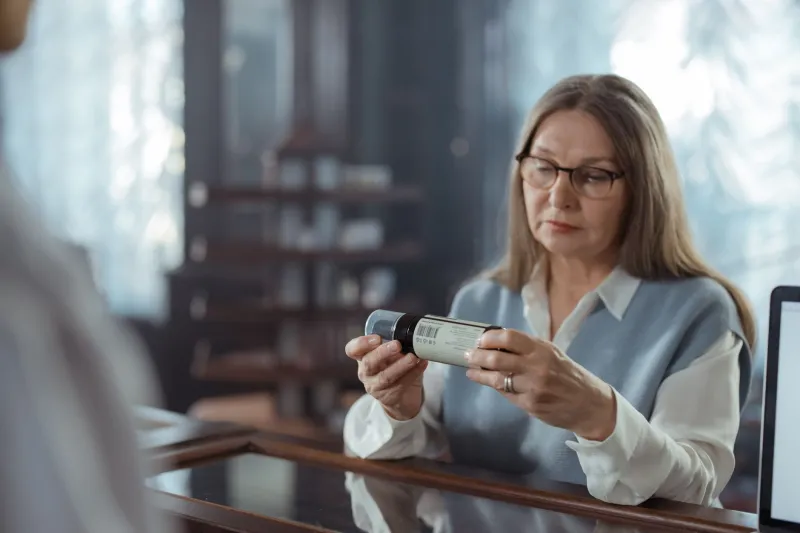
For most Americans, the pharmacy counter represents the final step in obtaining a prescription — a brief exchange of paperwork and payment before heading home. But for pharmacists, that moment is considerably more complex. When an ivermectin prescription arrives at the dispensing window, a trained professional is simultaneously verifying dosage logic, screening for potential drug interactions, assessing the appropriateness of the indication, and flagging anything that doesn't align with what the prescription states.
Patients who walk in prepared — with their medical history, a list of current medications, and a clear understanding of why they were prescribed ivermectin — consistently experience faster, smoother fills. Those who arrive without that context sometimes find themselves waiting while the pharmacist attempts to gather information that should have been available from the start.
This article is designed to close that gap.
What a Pharmacist Is Actually Doing When They Review Your Prescription
Pharmacists in the United States are licensed clinicians, not simply dispensers. When they receive an ivermectin prescription, they are legally and professionally obligated to perform a drug utilization review — a process that involves cross-referencing your prescription against your medication profile, evaluating whether the prescribed dose is consistent with your body weight (since ivermectin is dosed in micrograms per kilogram), and confirming that the prescribing physician's information is verifiable.
Ivermectin carries specific dosing considerations that make weight particularly important. A prescription that lists a standard flat dose without accounting for the patient's weight may prompt a pharmacist to contact the prescribing provider for clarification before dispensing. If you know your current weight and can confirm it at the counter, you may spare yourself — and your pharmacist — that back-and-forth.
The Questions Pharmacists Most Commonly Ask — And Why They Ask Them
Several questions come up repeatedly when pharmacists fill ivermectin prescriptions. Being prepared for these can meaningfully reduce friction:
"Are you taking any other medications?" This is not routine small talk. Ivermectin interacts with several commonly used drugs, including warfarin (a blood thinner), certain antiparasitic agents, and some sedatives. Pharmacists need an accurate and complete medication list — including over-the-counter supplements — to assess whether your regimen is safe.
"Do you have any liver conditions?" Because ivermectin is metabolized hepatically, patients with compromised liver function may process the drug differently, which can affect both efficacy and safety. Pharmacists are trained to flag this risk, and disclosing a relevant diagnosis upfront prevents delays.
"What is this being prescribed for?" This question sometimes catches patients off guard, but it is entirely appropriate. The indicated use helps the pharmacist confirm that the dose and formulation make clinical sense. In some cases, an indication listed on the prescription may not match standard prescribing guidelines, which can trigger a call to the prescriber.
"Have you taken ivermectin before?" Prior experience matters. If you've had adverse reactions — nausea, dizziness, visual disturbances — your pharmacist needs that information to counsel you appropriately on what to watch for and when to seek medical attention.
Red Flags That Can Delay or Halt a Fill
Pharmacists are also watching for signals that something may be amiss with a prescription. Being aware of these can help you avoid inadvertently triggering a review:
- Unusually high doses relative to typical prescribing ranges for the stated indication
- Missing or incomplete prescriber information, including DEA numbers where applicable
- Prescriptions from out-of-state providers that do not comply with your state's telehealth prescribing laws
- Requests to fill a prescription that appears altered or that uses non-standard formatting
- Multiple recent fills of the same medication at different pharmacies, which can surface in state prescription monitoring systems
None of these necessarily indicate wrongdoing on the patient's part, but each one requires the pharmacist to pause and investigate before dispensing. The more transparent you are about your medical situation and prescribing history, the more efficiently that investigation can conclude.
Information You Should Bring to the Pharmacy Counter
Think of your pharmacy visit as a brief clinical encounter, not a retail transaction. Arriving with the following information positions you as an informed patient and demonstrates to your pharmacist that you are engaged in your own care:
- Your current weight — stated in pounds or kilograms
- A complete medication list — including vitamins, herbal supplements, and any OTC drugs you take regularly
- Your relevant diagnoses — particularly liver conditions, neurological disorders, or any condition affecting drug metabolism
- The name and contact information of your prescribing provider — in case the pharmacist needs to verify or clarify the prescription
- Any history of allergic reactions to medications — especially antiparasitic agents
- Your insurance information — and a backup payment method, since ivermectin coverage varies widely by plan and indication
Why Pharmacists Are a Resource, Not Just a Gatekeeper
It is easy to view the pharmacy as an obstacle between you and your medication, particularly if you have already navigated a telehealth consultation or a lengthy prescribing process. But pharmacists represent one of the most accessible points of clinical contact in the American healthcare system — no appointment required, no referral needed.
If you have questions about how to take ivermectin, what side effects to watch for, how it interacts with food, or what to do if you miss a dose, your pharmacist can answer all of those questions in real time. Many patients leave the pharmacy without ever asking, then search for answers online — where the quality of information varies considerably.
Taking sixty seconds to ask your pharmacist a focused question before leaving the counter is often more valuable than an hour of independent research.
When the Pharmacist Recommends You Speak with Your Doctor Again
Occasionally, a pharmacist will decline to fill a prescription or recommend that you return to your prescribing provider before dispensing. This is not a personal judgment — it is a professional obligation. If you encounter this situation, ask the pharmacist to explain specifically what information or clarification is needed. In most cases, a brief communication between the pharmacist and your prescriber resolves the issue within hours.
If you are obtaining ivermectin through an online pharmacy, the same dynamic applies. Legitimate platforms employ licensed pharmacists who perform the same review process as brick-and-mortar locations. A willingness to provide accurate, complete information — whether in person or through a digital intake form — remains the most reliable way to ensure your prescription moves forward without interruption.
Arriving Prepared Is Its Own Form of Patient Advocacy
The ivermectin access journey in the United States involves multiple professionals, multiple systems, and in some cases, multiple states' worth of regulations. The pharmacy counter is where all of that complexity converges into a single transaction. Patients who understand what their pharmacist is evaluating — and who come prepared to support that evaluation — consistently report fewer delays, fewer callbacks, and a more confident experience overall.
Being a prepared patient is not about gaming the system. It is about participating in your own care with the same seriousness that your healthcare providers bring to theirs.