Seven Questions Worth Asking Your Pharmacist the Moment You Pick Up Your Ivermectin Prescription
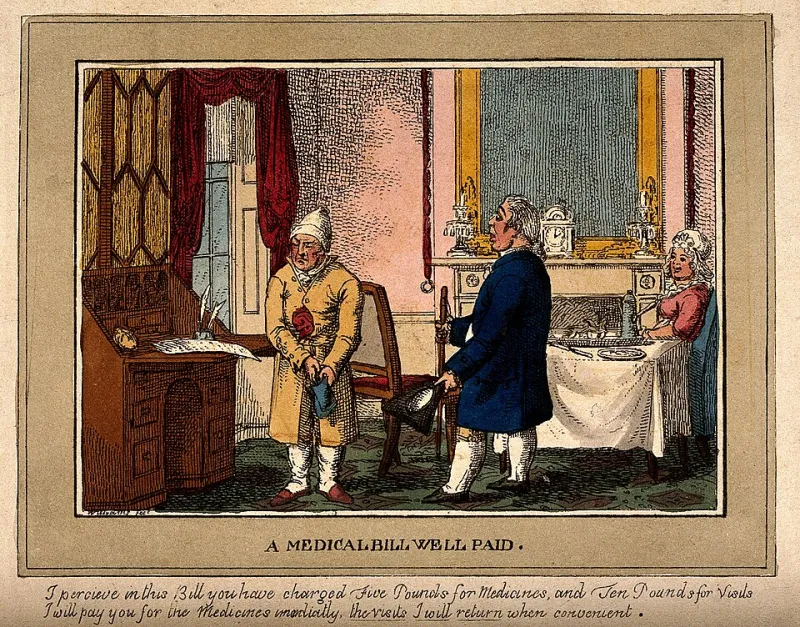
Photo: Unknown, CC BY 4.0, via Wikimedia Commons
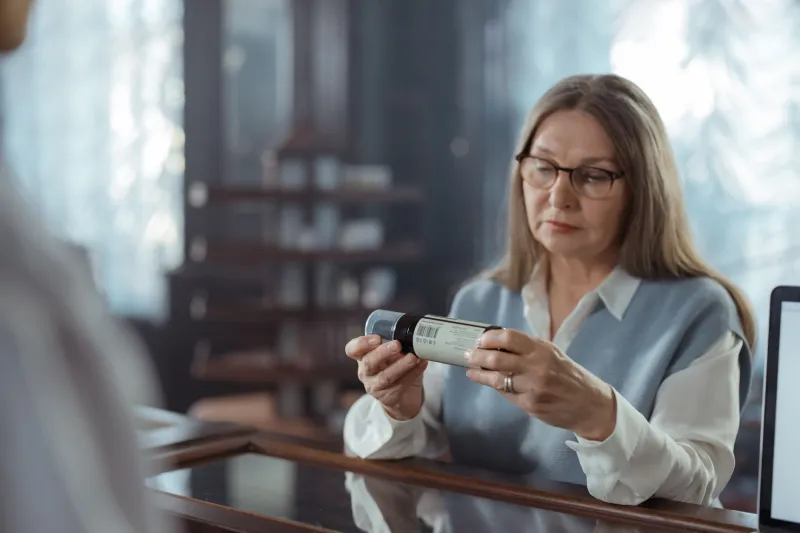
For most Americans, the pharmacy counter is the last checkpoint before a prescription becomes a treatment. It is also, unfortunately, one of the most underutilized opportunities for patient education in the entire healthcare system. People collect their medications, pocket the printed insert, and head home — often without exchanging more than a few words with the pharmacist standing just a few feet away.
With ivermectin, that habit deserves reconsideration. This medication has specific requirements around timing, food intake, storage, and monitoring that can directly influence whether it works as intended and whether side effects remain manageable. Pharmacists are trained clinicians with detailed knowledge of these factors. They are also, crucially, accessible — no appointment required.
The following questions are designed to help patients make the most of that brief window at the counter.
1. Should I Take This With Food or on an Empty Stomach?
This is not a trivial question. Ivermectin's absorption is significantly affected by what you eat before or after taking it. Research has demonstrated that a high-fat meal can increase the drug's bioavailability — meaning more of it reaches your bloodstream — compared to taking it in a fasted state. Whether that matters for your specific prescription depends on the indication, the prescribed dose, and your individual health profile.
Your pharmacist can clarify whether the prescribing physician accounted for this in the dosing instructions, and whether you should aim to take the medication consistently under the same dietary conditions each time.
2. What Time of Day Is Best for This Dose?
The label may simply say "once daily" or "as directed," but timing within the day can have practical implications. Some patients report that taking ivermectin in the evening helps them sleep through any mild initial side effects, such as dizziness or fatigue. Others are instructed to take it at a specific interval relative to other medications.
Ask your pharmacist whether there is a preferred window and whether that window should remain consistent across the full course of treatment.
3. How Should I Store This Medication?
Ivermectin tablets are generally stable at room temperature, but "room temperature" has a specific meaning in pharmaceutical terms — typically between 68°F and 77°F, with brief excursions permitted. Storing the medication in a bathroom cabinet exposed to humidity, or in a car during summer months, can degrade the active compound.
Your pharmacist can confirm the exact storage requirements for the specific formulation you have been dispensed, including whether any refrigeration is recommended and how to handle the medication if you are traveling.
4. Are There Any Medications, Supplements, or Foods I Should Avoid?
Ivermectin is metabolized primarily through the liver's cytochrome P450 enzyme system — the same pathway used by dozens of other common drugs. Certain medications can slow or accelerate that process, altering how long ivermectin remains active in your system.
Of particular note are drugs that inhibit CYP3A4, such as some antifungal agents and certain HIV medications, as well as warfarin, which has shown interactions with ivermectin in some clinical reports. Even some herbal supplements, including St. John's Wort, can affect this pathway.
Your pharmacist has access to your full medication profile on file and is well-positioned to flag any interaction risks that your prescribing physician may not have had visibility into. This is one of the most valuable services a pharmacist can provide — and one of the most important reasons to ask.
5. What Side Effects Should I Actually Watch For?
The printed insert that comes with most prescriptions lists every adverse event ever reported during clinical trials, which can make the document more alarming than useful. What patients genuinely benefit from knowing is which side effects are common and expected, which are rare but worth monitoring, and which should prompt an immediate call to a physician.
For ivermectin, mild and transient effects such as dizziness, nausea, or loose stools are relatively common, particularly at higher doses. More serious neurological symptoms — including confusion, difficulty with balance, or vision changes — are uncommon but warrant prompt medical attention. Your pharmacist can help you distinguish between the two categories and give you a realistic picture of what to expect during the treatment period.
6. Is This the Correct Dose for My Weight?
Ivermectin dosing is typically calculated on a milligrams-per-kilogram basis, meaning the correct dose varies based on body weight. Errors in this calculation — whether at the prescribing stage or during dispensing — are not unheard of, and the consequences of receiving too little (treatment failure) or too much (increased risk of adverse effects) are both worth avoiding.
Asking your pharmacist to confirm that the dispensed quantity aligns with your weight-based dosing instructions is a reasonable and entirely appropriate step. Pharmacists routinely verify this type of calculation as part of the dispensing process, and most will welcome the question rather than find it intrusive.
7. When Should I Contact My Doctor, and When Should I Go to the ER?
This question is worth asking for any prescription, but it is particularly relevant for medications that carry a risk of serious adverse events in specific populations. Patients with a compromised blood-brain barrier, certain genetic conditions, or heavy parasite burdens may face elevated risk profiles that their prescriber has already accounted for — but that the patient themselves may not fully understand.
Your pharmacist can help you establish a clear threshold: which symptoms are manageable at home with rest and hydration, which warrant a call to your prescribing physician within a day or two, and which should send you to an emergency department immediately. Having that framework in place before symptoms arise is far more useful than trying to make those judgments in the middle of a difficult night.
Why the Pharmacy Counter Deserves More of Your Attention
Pharmacists in the United States complete doctoral-level training in pharmacology, drug interactions, and patient counseling. They are required by law to offer medication counseling to every patient who receives a new prescription — yet studies consistently show that most patients decline or simply do not engage.
For a medication like ivermectin, where dosing precision, timing, and interaction awareness all contribute meaningfully to outcomes, that conversation is worth having. It takes five minutes and costs nothing beyond the prescription itself.
If your local pharmacy is consistently too busy for a meaningful exchange, or if you have obtained your prescription through a telemedicine provider and are filling it by mail, consider calling the dispensing pharmacy directly before your medication arrives. Most pharmacists are willing to answer questions over the phone, and many mail-order and online pharmacy services include access to a clinical pharmacist as part of their standard offering.
The goal, ultimately, is not simply to obtain a medication — it is to use it correctly, safely, and with a clear understanding of what success looks like. Your pharmacist is one of the most qualified people in your healthcare network to help you achieve exactly that.